Mold Clearance Testing in Lakewood, CO
Mold clearance testing checks your cleaned work area in Lakewood before containment removal or new finishes. Call 24/7 to arrange an independent assessment of surfaces, moisture and specified samples.
- Independent assessment after cleanup
- Visual, moisture and sample checks
- Findings before containment removal
Mold Clearance Testing Services Across Lakewood
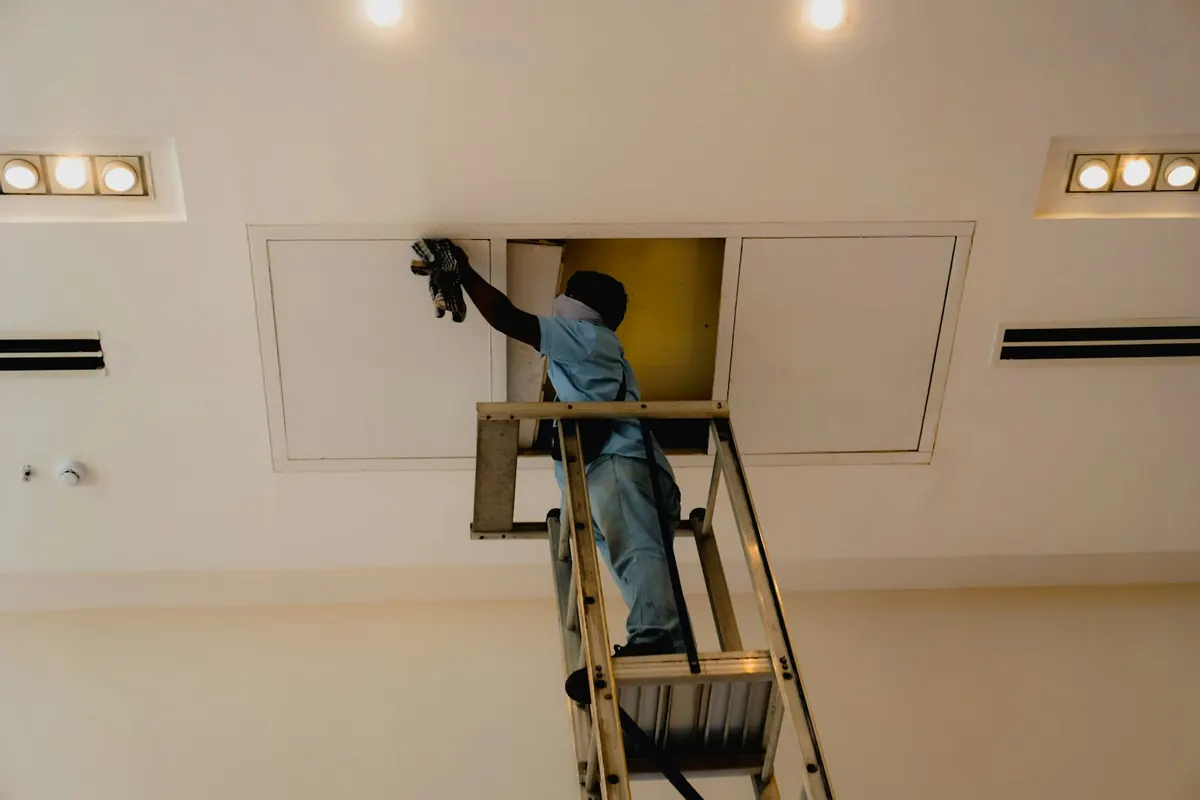
Your completed cleanup is checked against agreed clearance criteria. Accessible framing, cavities and treated surfaces receive visual and moisture checks, with sampling where the remediation protocol specifies it.
An independent assessor checks your completed work apart from the removal company. This post-remediation verification, or PRV, takes place after removal, cleaning and drying are finished. The written work scope sets the assessment boundaries.
Your report identifies what is complete and what still needs correction. Its clearance decision draws together moisture readings, on-site findings and laboratory analysis. Lab paperwork on its own cannot establish completion of the cleanup.
- Independent final inspection
- Accessible cavity and surface checks
- Moisture mapping of retained materials
- Specified air sampling or surface sampling
- Clearance decision with any remaining corrections
Signs You Need a Mold Clearance Inspection in Lakewood
Before release, your finished cleanup needs the verification agreed on. Any debris or dampness left may need correction first.
Mold Cleanup Behind Containment
Your work zone is contained and awaiting final assessment.
Dampness or Musty Odor Remains
You still notice a musty odor or damp spots in your treated room.
Exposed Walls Awaiting Closure
You still need exposed framing verified before rebuilding, even with your damaged drywall removed.
Corrections After Failed Clearance
You need another assessment of your corrected area after the previous failure.
Dust Left on Cleaned Surfaces
Readiness is uncertain because debris still occupies the area where removal occurred.
Post Remediation Verification for Your Greater Denver Property
Removal and its independent assessment are distinct steps. Your cleaned work area goes through verification before taking containment down.
Assessment Boundary
Your call clarifies the cleanup stage and which rooms were treated. Your written protocol sets out sampling and clearance criteria.
Moisture Source and Scope
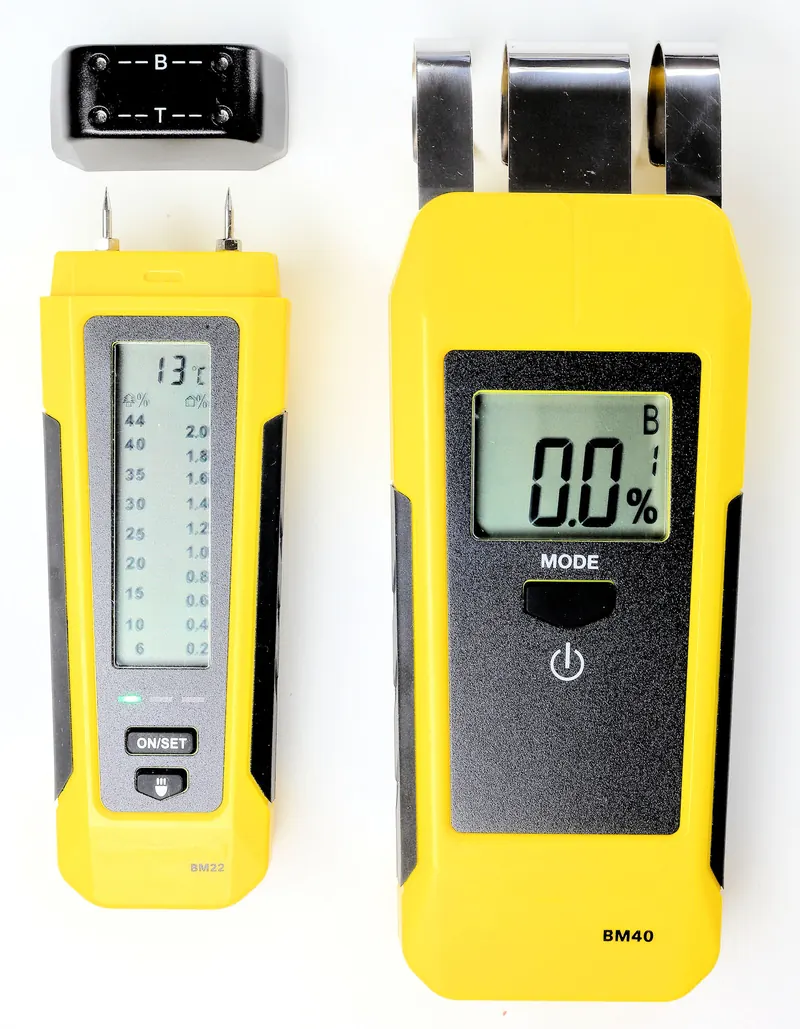
Checks cover your moisture source and the materials left in place. A moisture meter maps dampness; thermal imaging cannot identify mold.
Contained Work Area
The scope of cleanup determines containment, HEPA filtration and negative air pressure. Sampling follows conditions in the assessment protocol.
Material Removal Completed
The cleanup crew completes specified drywall removal and disposal of damaged porous materials before inspection. Keep cavities accessible.
Surface Cleaning Completed
Your inspection follows surface cleaning and HEPA vacuum work. Cleaning cannot be replaced by antimicrobial treatment, and debris left behind requires correction.
Drying Checked
Moisture readings evaluate your retained wood along with other affected materials. Damp areas need correction before clearance.
Independent Inspection and Samples
Visible conditions and moisture are checked during your final inspection. An independent testing lab receives a spore trap, tape lift, outdoor air sample or swab sample collected where specified.
Decision Before Containment Removal
Results from samples and findings on site undergo joint assessment. Failed criteria require correction and verification before the cleanup crew removes containment and rebuilding begins.
Why Consider Denver Mold Removal Services for Mold Clearance Testing
Clear Scope Before Testing
Before testing, you receive an explanation of rooms, sampling plans and limitations.
Independent Mold Assessment
You get final checks independent of the removal work.
Moisture and Cleaning Together
Assessment brings together samples, drying and the condition of surfaces.
Findings Before Rebuilding
Before containment removal or new finishes, your decision sets out needed corrections.
Calls Answered 24/7
Across the metro, a single number starts your assessment during the day or at night.
Preparing for Your Mold Clearance Visit in Jefferson County
Keep the work area undisturbed and call before new finishes cover it.
- Keep the Work Zone Closed. Do not remove your containment barrier or poly sheeting before verification is finished.
- Leave Cleaned Surfaces Exposed. Adding paint or replacement finishes can hinder inspection.
- Keep Equipment Settings Unchanged. HEPA air scrubber settings during sampling follow the assessment protocol.
- Keep Access Routes Clear. Each assessed room needs access without disturbing containment.
- Report New Water Intrusion. Your assessment scope may change with new leaks.
Mold Clearance Test Cost for Your Lakewood, CO Property
Published residential clearance costs from Inspect and Test run from $300 to $700 for a job; single-room checks in the Colorado Front Range run from $300 to $600 per assessed room. These figures are not quotes for your location. The air-sample pricing listed separately does not cover full clearance or mean an automatic surcharge.
Residential Project Clearance Following Remediation
$300 to $700 per jobSource: Inspect and Test, Mold Remediation Air Quality Testing (clearance guide) (checked 2026-10-23)Clearance Following Remediation of a Single Room (Colorado Front Range)
$300 to $600 per roomSource: Inspect and Test, Mold Test Cost (Colorado Front Range estimates) (checked 2026-10-23)Lab Fee Included With Professional Air Sample (Colorado Front Range)
$75 to $175 per sampleSource: Inspect and Test, Mold Test Cost (Colorado Front Range estimates) (checked 2026-10-23)Reasons Your Mold Assessment Cost Can Change
- Testing lab analysis
- Number of rooms and samples
- Repeat inspection and re-cleaning
- Size of the contained area
- Outdoor baseline sample
Your Price for a Clearance Assessment
These published national ranges are planning figures. Your on-site assessment defines the work and price before cleanup starts, including any separate source repairs or rebuilding.
Call (844) 352-3560 about costMold Clearance Testing Service Area Across Greater Denver
Call (844) 352-3560 to arrange cleanup in Lakewood or nearby communities. One number covers the metro.
Mold Clearance Testing in Locations Near Lakewood
What People Ask About Mold Clearance Testing in Lakewood
What should you expect a mold clearance test cost to be in Jefferson County?
Your price depends on the rooms, sample locations, lab analysis and any repeat visit. Above, published cost cards preserve their regional restrictions and original measurement units. Before testing starts, your assessment scope establishes the included work. Leak repairs and replacement materials, along with corrective cleanup, fall outside the clearance assessment.
What follows a failed mold clearance test?
You can find unmet criteria and places needing corrective work in the report. Remaining debris may require re-cleaning, while damp materials may need more drying or moisture repair. Your cleanup crew finishes those corrections, then reassessment takes place. After failed clearance, repeating removal from the start in each room is not automatically necessary.
Does clearance include moisture repair or more material removal?
Your clearance checks examine completed work for problems still present. Unless specifically covered by another scope, leak repair and further demolition are separate tasks, as are drying and rebuilding. Damp framing or remaining damaged material can prevent the area from meeting its criteria. Those conditions need correction ahead of completing the assessment or conducting another assessment.
Is post remediation mold testing necessary whenever cleanup finishes?
Sampling is not automatic after every cleanup. Your protocol establishes whether the clearance decision draws on air samples or surface samples. Evaluating finished work still includes visual inspection and checks for moisture. Specified sampling requires interpreting lab findings alongside conditions at your site, without using results alone as a pass mark.
How long should you expect mold clearance testing in Lakewood to take?
To set your schedule, consider whether the workspace is ready, the number of locations to assess and any sample analysis needed at a lab. Your site visit is separate from the final reporting stage. Unfinished cleaning or damp materials can delay the decision. Another inspection may be needed following corrections, ahead of containment removal.
Can you stay in the property while clearance is pending?
Until all agreed checks and any corrections are finished, your work area stays restricted. Whether you can use other rooms depends on shared ventilation, separation and the routes for access. Your household needs influence occupancy arrangements too. Whether staying suits your circumstances cannot be established from a sample result by itself.
Could you see mold return following a passing result?
If moisture problems persist or fresh water intrusion occurs, mold may come back. The assessed area at the visit time is what a passing result concerns. Although your inspection checks visible conditions along with moisture, it cannot shield materials against a future leak. Continued moisture control remains necessary after remediation.
Mold Verification and Insurance in Colorado
Homeowners insurance coverage depends on the water source, policy terms and deductible. Testing and rebuilding may receive separate coverage decisions. Colorado's rental law, as updated in 2019 and 2024, lists mold tied to dampness that would materially interfere with a tenant's health or safety among the conditions that can make a rental uninhabitable. A 2025 bill that would have added written mold disclosures for sellers and landlords did not pass.
Mold Sampling Limits Across Greater Denver
Clearance addresses your inspected space at that time. Other indoor air quality concerns remain outside it.
Mold Samples Are Limited
Air sampling captures one location and time, not every concealed surface.
Moisture Still Matters
Remaining visible mold growth or damp materials cannot be dismissed because a sample count is low.
No Federal Mold Limit
EPA has no federal limit for mold levels indoors. Your clearance depends on project criteria rather than any universal safe number.
Spore Counts Need Context
An outdoor baseline and collection conditions inform interpretation; a spore count alone is not a clearance decision.
Cleanup scope: For areas under about 10 square feet, EPA says homeowner cleaning is often possible. Sampling may be unnecessary.
Checking Your Materials Following Mold Removal in Jefferson County
Clearance examines your finished cleanup. Demolition and replacement are outside that inspection.
Retained Wood
- Dampness and growth that remains are checked on cleaned framing as well as other accessible wood.
Removed Porous Materials
- Your damaged carpet, insulation and drywall may require removal ahead of assessment.
Non-porous Surfaces
- Cleaned metal, glass and other accessible surfaces are checked for remaining debris.
Time Needed for Mold Clearance in Jefferson County
Your schedule includes site readiness, inspection, lab analysis and the final decision.
- Readiness: Damp materials or cavities you cannot access, along with incomplete cleaning, can postpone assessment.
- Laboratory Work: Sample quantity, sampling methods and how busy your testing lab is influence turnaround.
- Corrective Work: Failed clearance may mean re-cleaning and additional drying before a return visit.
After Cleanup: Mold Odor and Moisture
Investigate retained materials and moisture that remains when you notice mustiness. Adding fragrance will not remove its source.
Keep your indoor relative humidity under 60 percent; EPA's ideal range is 30 to 50 percent. Dehumidifiers do not fix leaks.
Your Colorado Mold Assessment Requirements
State Mold Requirements
Colorado does not appear to have a statewide license for mold assessors or remediators. A 2025 bill that would have had the state register them did not pass, so it is worth asking any contractor about their training and checking local contractor rules.
Project Clearance Criteria
Following the protocol you agreed to, your assessment records access limitations and any uninspected spaces.
Rental Properties
Since 2025, Colorado rental agreements are to say where a tenant can report or deliver written notice of an unsafe or uninhabitable condition, so renters can start with that notice to the landlord.
State Mold Information
The Colorado Department of Public Health and Environment (CDPHE) is the state health agency that EPA lists as Colorado's indoor air quality contact.
State guidance: Colorado General Assembly, HB19-1170 Residential Tenants Health & Safety Act (summary as enacted); Colorado General Assembly, SB24-094 Safe Housing for Residential Tenants (summary as enacted); Colorado General Assembly, HB25-1202 Increasing Public Awareness of Mold Health Effects (lost); EPA, Who can test my home or clean, fix and remediate my home for mold?; EPA, Region 8 state indoor air quality contacts (PDF)
Related Services and Next Steps
Start Your Mold Clearance Testing in Lakewood
Call 24/7 to arrange your assessment. Your cleanup starts with the affected surfaces, moisture source and access to your home.